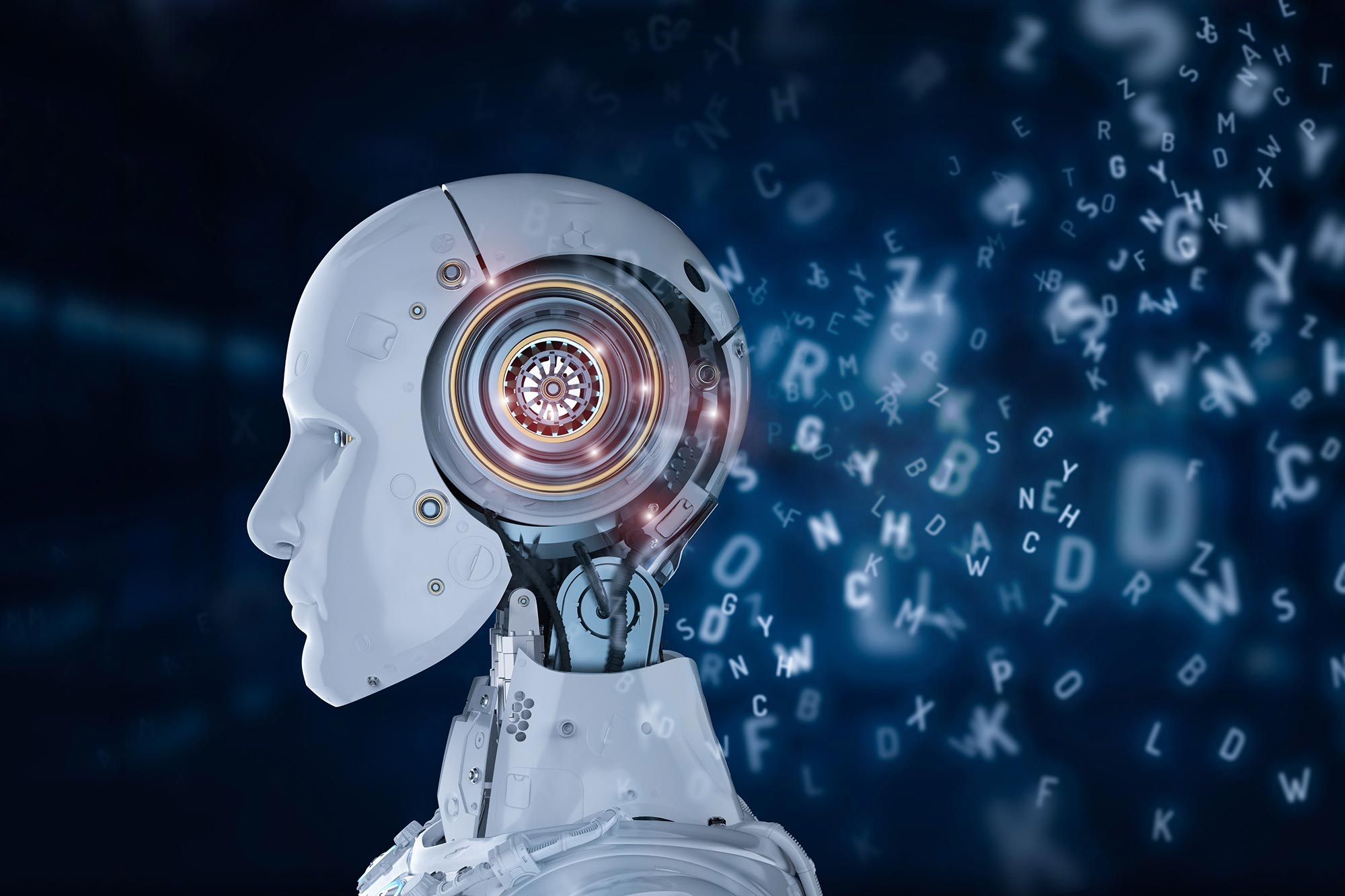
AI and machine learning are two important technologies that are changing how people work, learn, communicate, and use digital devices. From voice assistants and chatbots to recommendation systems and self-driving technology, artificial intelligence is becoming part of everyday life.
Although AI and machine learning are closely connected, they are not exactly the same. Artificial intelligence is a broader field that focuses on creating machines capable of performing tasks that normally require human intelligence. Machine learning is a part of AI that allows computers to learn patterns from data and make predictions.
Understanding these technologies does not require advanced technical knowledge. Anyone can start by learning their basic concepts, everyday applications, benefits, and limitations.
What Is Artificial Intelligence?
Artificial intelligence, commonly known as AI, is technology that allows computers and machines to perform tasks that usually require human intelligence.
These tasks may include understanding language, recognizing images, answering questions, solving problems, and making decisions.
For example, when someone asks a voice assistant about the weather or uses a chatbot to get information, AI helps the system understand the request and generate a response.
Some common examples of artificial intelligence include:
- Voice assistants.
- Chatbots.
- Face recognition.
- Language translation.
- Recommendation systems.
- Smart home devices.
- AI-powered search tools.
The main goal of AI is to develop systems that can perform useful tasks efficiently.
What Is Machine Learning?

Machine learning is a branch of artificial intelligence that allows computers to learn from data without requiring programmers to write separate instructions for every possible situation.
Instead of following only fixed rules, machine learning systems analyze examples, recognize patterns, and use those patterns to make predictions.
For example, an email application can learn to identify spam messages by analyzing previously labeled emails.
Machine learning is used in many applications, including:
- Predicting product recommendations.
- Identifying suspicious transactions.
- Recognizing images.
- Understanding spoken language.
- Forecasting sales.
- Analyzing customer behavior.
Machine learning helps computers improve their performance by learning from information and experience.
Difference Between AI and Machine Learning
Artificial intelligence and machine learning are related, but they have different meanings.
| Artificial Intelligence | Machine Learning |
|---|---|
| A broad field of technology | A part of artificial intelligence |
| Focuses on intelligent tasks | Focuses on learning from data |
| Includes different intelligent systems | Uses algorithms to identify patterns |
| Can use rules and learning methods | Relies on data to train models |
| Examples include chatbots and robotics | Examples include prediction and classification models |
In simple words, AI is the larger concept, while machine learning is one method used to develop intelligent systems.
How Do AI and Machine Learning Work?
AI and machine learning systems work through data, algorithms, and computer processing.
The process depends on the type of application, but a basic machine learning system generally follows these steps.
- Collect Data: The computer receives information such as images, text, numbers, or audio.
- Train the Model: The machine learning system studies the examples and identifies patterns.
- Test the Model: The system is tested using new information to check its performance.
- Make Predictions: The trained model uses learned patterns to generate predictions or classifications.
- Improve Performance: Developers can improve the system using better data, training methods, and evaluation.
For example, a computer trained with pictures of cats and dogs can learn to identify whether a new picture contains a cat or a dog.
Everyday Examples of AI and Machine Learning
AI and machine learning are already used in many everyday activities. People interact with these technologies through smartphones, websites, applications, and online services.
| Everyday Example | How AI Helps |
|---|---|
| Google Assistant | Understands voice commands |
| YouTube | Recommends videos |
| Email services | Identifies spam messages |
| Online shopping | Suggests products |
| Maps applications | Helps find routes |
| Face recognition | Identifies facial patterns |
| Chatbots | Answers questions |
| Translation apps | Converts languages |
These examples show how AI can make everyday digital activities more convenient.
Types of Artificial Intelligence
Artificial intelligence can be understood through different categories based on its capabilities.
Narrow AI: Narrow AI is designed to perform specific tasks. Examples include voice assistants, recommendation systems, and image recognition applications. Most AI applications used today fall into this category.
General AI: General AI refers to a theoretical form of artificial intelligence that could perform a wide range of intellectual tasks at a human-like level. It has not been achieved.
Superintelligent AI: Superintelligent AI is a hypothetical concept involving machines that would exceed human intellectual abilities across many areas.
Understanding these categories helps explain the current capabilities and future possibilities of artificial intelligence.
Types of Machine Learning
Machine learning includes different approaches that help computers learn from information.
| Type | Simple Explanation | Example |
|---|---|---|
| Supervised Learning | Learns from labeled examples | Spam detection |
| Unsupervised Learning | Finds patterns in unlabeled data | Customer grouping |
| Reinforcement Learning | Learns through rewards and feedback | Game-playing systems |
Each approach is useful for solving different types of problems.
Applications of AI and Machine Learning
AI and machine learning are transforming several industries by helping organizations analyze information, automate tasks, and improve services.
Healthcare
Healthcare organizations use AI-based technologies to analyze medical images, organize information, and support research. Machine learning can help researchers identify patterns in medical datasets.
Education
AI-powered educational tools can help students practice subjects, understand difficult topics, and receive personalized learning support.
Teachers can also use AI applications to prepare learning materials and organize classroom activities.
Banking and Finance
Banks use machine learning systems to identify unusual transactions, assess financial risks, and support fraud detection.
Business and Marketing
Businesses use AI to analyze customer behavior, automate repetitive tasks, and improve marketing strategies.
Transportation
AI technologies support navigation, traffic analysis, driver assistance, and research into autonomous vehicles.
Entertainment
Streaming platforms use recommendation systems to suggest movies, music, and videos based on user activity.
Benefits of AI and Machine Learning
AI and machine learning offer several advantages for individuals and organizations.
- Saves Time: Automates repetitive tasks and reduces manual work.
- Improves Efficiency: Helps complete certain tasks faster.
- Supports Decision-Making: Analyzes large amounts of information.
- Personalizes Experiences: Provides recommendations based on user preferences.
- Reduces Manual Errors: Can improve consistency in repetitive processes.
- Encourages Innovation: Supports the development of new products and services.
- Handles Large Data: Processes information that may be difficult to analyze manually.
However, these benefits depend on the quality of the technology, available data, and how responsibly systems are used.
Disadvantages and Challenges of AI
Although AI offers many benefits, it also creates challenges that individuals and organizations should understand.
Privacy Concerns: AI applications may process personal information, creating privacy and data protection concerns.
Job Changes: Automation can change certain job responsibilities and increase demand for new technical skills.
Incorrect Results: AI systems can generate inaccurate information or make incorrect predictions.
Bias: Machine learning models may produce unfair results when trained using incomplete or biased data.
Security Risks: AI technologies can be misused for scams, misinformation, and other harmful activities.
Development Costs: Building and maintaining advanced AI systems can require significant resources.
Responsible development and human supervision are important for addressing these challenges.
How to Learn AI and Machine Learning

Anyone interested in artificial intelligence can begin learning through simple educational resources and practical activities.
Beginners should start with the basic concepts before moving toward advanced programming and mathematical topics.
A simple learning path includes:
- Understand the basics of artificial intelligence.
- Learn how machine learning works.
- Explore basic mathematics and statistics.
- Learn Python programming.
- Practice working with datasets.
- Explore machine learning algorithms.
- Create simple AI projects.
- Study responsible and ethical AI practices.
Popular learning tools include Python, Google Colab, Scikit-learn, and beginner-friendly AI platforms.
Starting with small projects makes learning easier and helps build confidence.
Future of AI and Machine Learning
The future of AI and machine learning is expected to bring new developments across education, healthcare, business, manufacturing, transportation, and communication.
AI systems are becoming increasingly capable of understanding language, generating content, analyzing information, and assisting with complex tasks.
Some important areas of future development include:
- Generative artificial intelligence.
- Robotics and automation.
- Personalized education.
- Intelligent healthcare systems.
- Autonomous transportation.
- Advanced cybersecurity.
- Smart manufacturing.
- Natural language processing.
As these technologies develop, understanding AI and machine learning will become increasingly valuable for students, professionals, and business owners.
Conclusion
AI and machine learning are important technologies that help computers perform intelligent tasks, understand information, and identify patterns. Artificial intelligence is the broader concept, while machine learning is a branch of AI that allows systems to learn from data.
From smartphones and online shopping to healthcare and education, these technologies are already influencing everyday life. Although they offer benefits such as automation, efficiency, and better data analysis, challenges involving privacy, accuracy, and fairness must also be considered.
Learning the basics of AI and machine learning is a useful first step toward understanding modern technology and preparing for future opportunities.
Frequently Asked Questions About AI and Machine Learning
What Is AI in Simple Words?
Artificial intelligence is technology that allows computers to perform tasks that usually require human intelligence, such as understanding language, recognizing images, answering questions, and solving problems.
What Is Machine Learning in Simple Words?
Machine learning is a type of artificial intelligence that allows computers to learn patterns from data and make predictions without needing specific instructions for every situation.
Is AI the Same as Machine Learning?
No, AI and machine learning are not the same. AI is the broader field of creating intelligent machines, while machine learning is one branch of AI that focuses on learning from data.
What Are Some Examples of AI and Machine Learning?
Common examples include chatbots, voice assistants, video recommendations, spam filters, facial recognition, online shopping recommendations, and fraud detection systems.
Can Beginners Learn AI and Machine Learning?
Yes, beginners can learn AI and machine learning without advanced technical knowledge. They can start with basic concepts, explore simple online tools, learn Python, and gradually develop small machine learning projects.
| Read More: UCI Machine Learning Repository: |