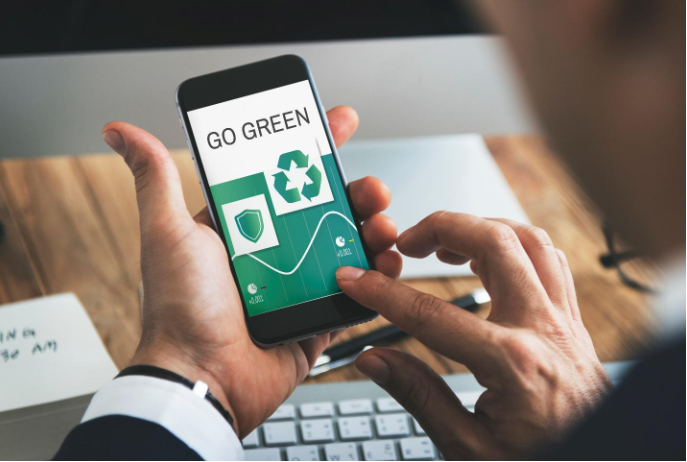
In today’s world, mobile phones are used everywhere for communication, work, education, and entertainment. Because technology changes very fast, people often replace their phones with new models. This leads to a large number of old and unused phones being thrown away or stored without use. Phone recycling is a simple solution to this problem. It helps manage electronic waste, protects the environment, and saves valuable resources. Understanding phone recycling is important because it plays a big role in keeping the world clean and sustainable.
The following is a simple explanation of what phone recycling is and why it is important in today’s world.
What is Phone Recycling?
Phone recycling is the process of collecting broken, old, or unused mobile phones and then recycling them so their materials can be reused. Instead of throwing them, phones are sent to recycling centers where they are sorted.
The useful materials of these phones such as gold, silver, copper, plastic, and glass are extracted and then reused in new products. This process reduces waste and makes better use of resources.
How Phone Recycling Works
Phone recycling follows a step-by-step process. The first step is to collect old phones. They are then checked carefully to see if they still work. Working phones are cleaned and repaired.
The valuable materials inside each phone are separated from harmful parts. Safe methods are used to handle batteries and chemicals. Finally, reusable materials are sent to factories to make new products.
Reducing Electronic Waste
Electronic waste or e-waste is one of the biggest problems in today’s world and phones are a major part of this waste. When they are thrown away, they release harmful chemicals into the environment.
Phone recycling helps reduce this problem by keeping old devices out of landfills. Through recycling, phones are turned into useful materials again instead of becoming waste.
Protecting the Environment
Phones contain harmful substances like mercury, lead, and cadmium. When these chemicals leak into the environment, they can pollute air, water, and soil.
These harmful substances are handled safely through recycling. It also reduces the need to mine new raw materials from the earth. By recycling phones, we can help protect nature.
Saving Natural Resources
Mobile phones are made from valuable natural resources such as copper, aluminum, and lithium. These resources are limited and take a long time to form in nature.
Phone recycling helps recover these materials from old devices so they can be reused again. This reduces the need to dig new mines and saves natural resources for future generations.
Economic Benefits
Phone recycling does not only benefit the environment, but it is also helpful for the economy. Recycled materials are cheaper to use in manufacturing new products.
Recycling industries also create many job opportunities, such as collection, repair, transportation, and processing of old phones. This supports economic growth while also protecting the environment.
Data Safety and Protection
Old phones often contain personal information like files, contact numbers, photos, messages, and passwords. Before recycling any phone, this data is carefully secured to protect privacy.
Recycling centers use special tools to remove all stored information so it cannot be recovered. However, users are always advised to delete their data before handing over their phones to ensure safety.